Desert Flash Floods: How Sudden Rain Shapes Arid Landscapes
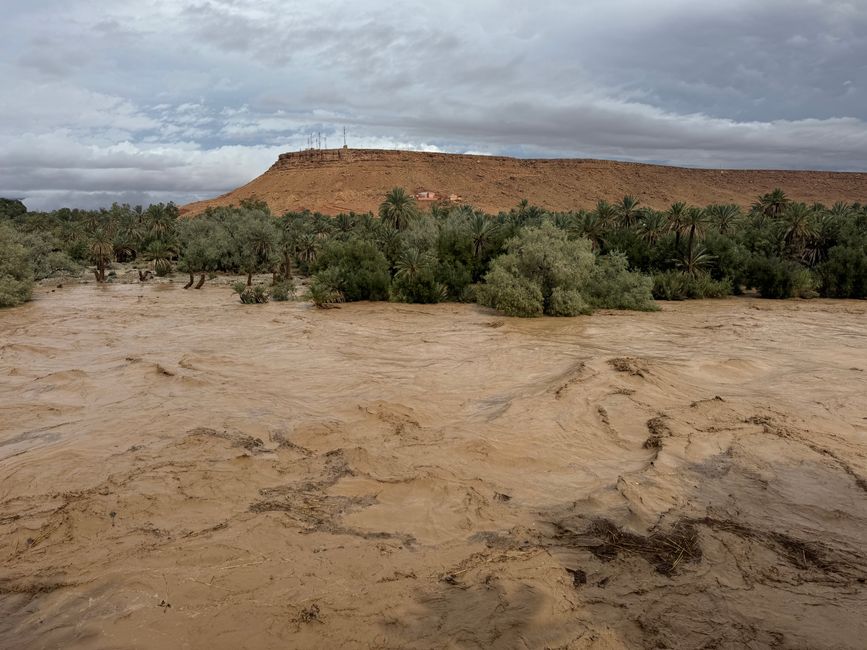
In arid regions, where rainfall is scarce and the sun dominates, the occasional downpour can trigger dramatic transformations. Desert flash floods are among the most powerful and least understood natural phenomena in these environments. They occur suddenly, often without warning, and can reshape the landscape in a matter of hours. While they pose significant risks to human activities, they also play a crucial role in maintaining the ecological balance of deserts. This article explores the mechanisms behind these floods, their impacts on terrain and ecosystems, and the delicate relationship between danger and necessity that defines them.
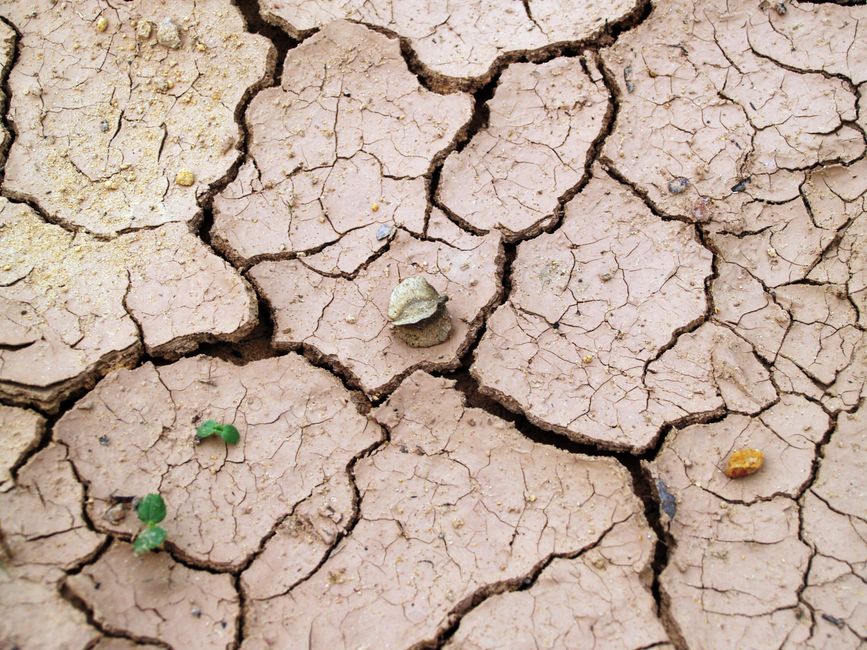
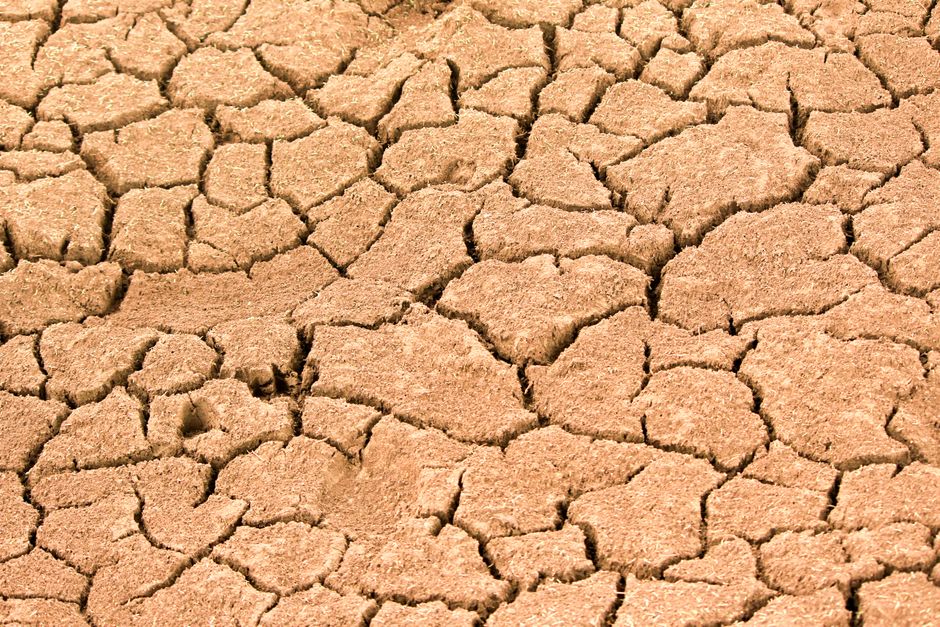
Deserts are typically defined by their low precipitation, but when rain does fall, it often comes in intense, short bursts. The arid soil, hardened by sun and wind, is poorly equipped to absorb water quickly. Instead, much of the rainfall runs off the surface, gathering in channels and low-lying areas. This rapid accumulation of water can lead to flash floods, which are characterized by their swift onset and high velocity. Unlike floods in temperate regions, which may develop over days, desert flash floods can occur within minutes of a heavy downpour, catching even seasoned travelers off guard.
Understanding the interplay between desert geology, weather patterns, and the resulting hydrological processes is essential for appreciating the dual nature of these floods. They are both destructive forces and vital ecological drivers, sculpting the land and sustaining life in one of the harshest environments on Earth.
The Hydrological Mechanics of Desert Flash Floods
To grasp why flash floods are so sudden and powerful in deserts, it is necessary to examine the unique hydrological characteristics of arid regions. One key factor is the intensity of desert rainfall. When storm systems do produce precipitation, it often falls at rates that exceed the infiltration capacity of the ground. The soil’s ability to absorb water is limited by its texture and structure; in many deserts, the surface is sealed by a layer of fine particles or biological crusts, further reducing permeability. Consequently, a large fraction of the rain becomes surface runoff, flowing overland and quickly concentrating in existing drainage networks.
Another crucial element is the nature of desert drainage systems, known as wadis or arroyos. These are dry riverbeds that only carry water during or after rainstorms. They are often broad, flat, and seemingly innocuous, but they can rapidly fill with water from upstream precipitation. Because the catchment areas of these systems are often vast and exposed, runoff from distant rainfall can converge into a single channel, transforming a dry wash into a raging torrent in a short time. The lack of vegetation and organic matter in deserts means there is little to slow or absorb the flow, allowing water to travel at high speeds, carrying sediment and debris with it.
Additionally, the timing and location of rainfall play a significant role. Many desert storms are localized, affecting small areas while leaving neighboring regions dry. This can lead to situations where a flash flood occurs downstream of a storm that produced no rain at the flood site, making early warning particularly challenging. The combination of high-intensity rainfall, impermeable soils, and efficient runoff concentration creates the conditions necessary for flash floods to develop with astonishing rapidity.
Geomorphological Impacts: Reshaping the Desert Surface
The force of flash floods exerts a profound influence on desert geomorphology, the study of landforms and their evolution. The rushing water erodes, transports, and deposits materials, leading to significant changes in the landscape over time. One of the most visible effects is the incision and deepening of channels. As floodwaters carve into the bedrock or unconsolidated sediments, they can create steep-sided gullies and canyons, such as the iconic slot canyons of the American Southwest. These features, which may take thousands of years to form, can be dramatically altered in a single flood event, with walls undercut and boulders moved downstream.
Deposition is equally important in shaping arid landscapes. When floodwaters lose energy, they drop the sediment they have carried, forming features such as alluvial fans at the mouths of canyons and braided channels across valley floors. These deposits create fertile patches where water may infiltrate more easily, providing habitats for plant and animal life. Over cycles of flooding, these processes build up layers of sediment, contributing to the structure of desert soils and the availability of nutrients.
Flash floods also affect desert pavements, the surfaces covered in tightly packed pebbles and rocks. During a flood, finer materials are washed away, leaving behind a coarse lag deposit that protects the underlying soil from erosion. However, more intense floods can disturb these pavements, overturning stones and creating new patterns. These changes influence not only the physical appearance of the desert but also its hydrological properties, as the trampled or rearranged surfaces may alter infiltration rates and runoff patterns in future rain events.
Thus, flash floods act as powerful agents of change, both eroding and building the desert landscape. They are responsible for some of the most spectacular geomorphic features in arid regions, and their repeated occurrence over geological time scales has shaped the very character of these terrains.
Ecological Significance: Water, Life, and Adaptation
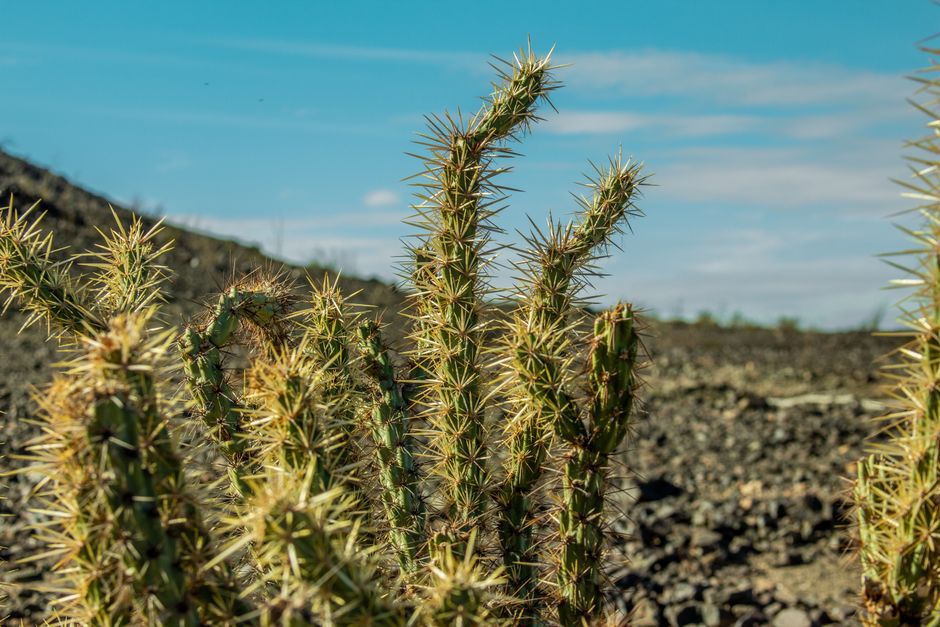
Despite their destructive potential, flash floods are a lifeline for desert ecosystems. The sudden pulses of water provide critical moisture that supports a burst of biological activity. Many desert plants have evolved to take advantage of these episodic events, with seeds that remain dormant until rain triggers germination. For example, annual wildflowers may carpet the desert floor after a flood, their entire life cycle completed in a few weeks. Perennial shrubs and trees also rely on deep water infiltration that occurs during floods to sustain them through long dry periods.
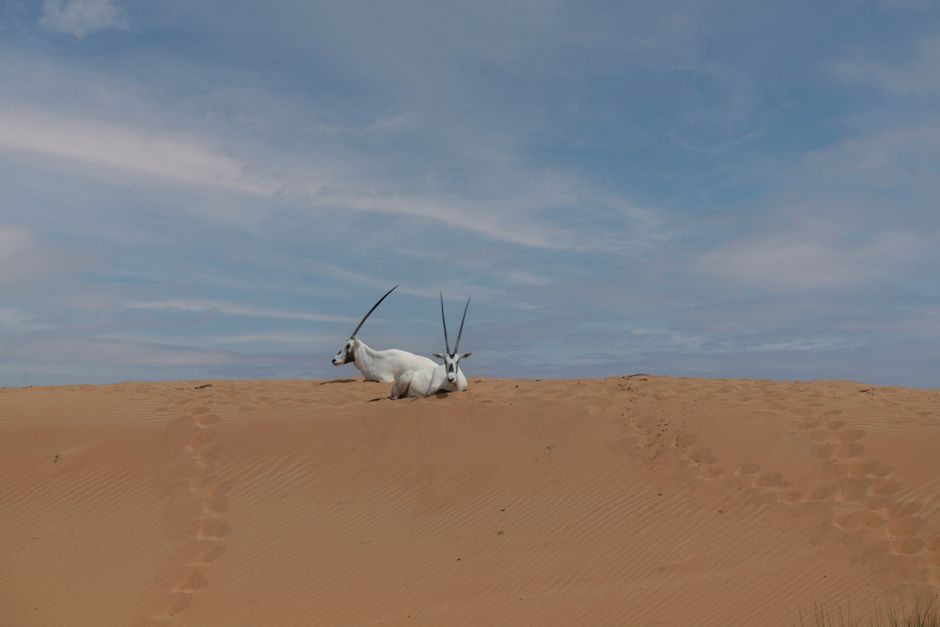
Animals, too, are adapted to these cycles. Invertebrates, amphibians, and even some fish species have life histories synchronized with flood timing. For instance, certain desert-adapted fish, like the desert pupfish, depend on flash floods to create new habitats and remove predators. Migratory birds may time their visits to coincide with post-flood productivity, when insects and plants are abundant. The temporary pools that remain after floods become essential breeding sites for many species, even if they are short-lived.
Flash floods also play a role in nutrient cycling. The rushing water picks up organic matter and distributes it across the floodplain, enriching the soil. This influx of nutrients can stimulate plant growth in areas that are otherwise nutrient-poor. However, the ecological response to flooding is not uniform; it depends on factors such as the magnitude and timing of the flood, the condition of the ecosystem beforehand, and the availability of species to colonize the new conditions. Consequently, the ecological outcomes are highly variable and can only be understood in the context of each specific event.
In this way, flash floods are essential for maintaining biodiversity and ecosystem function in deserts. They create dynamic, heterogeneous environments where life is constantly renegotiating its relationship with water and resources.
Human Interactions: Risks, Management, and Adaptation
For human populations living in or visiting arid regions, flash floods present significant hazards. Their sudden onset and high energy make them particularly dangerous for infrastructure, such as roads, bridges, and buildings constructed in floodplains or near wadis. Vehicles are especially vulnerable; many deaths occur when drivers attempt to cross flooded roadways. The lack of warning systems and the false sense of security that clear skies often provide compound the risk. Communities in desert areas must therefore develop strategies to mitigate these threats, including land-use planning, early detection systems, and public education campaigns.
One approach to managing flash flood risk is through the construction of retention basins and check dams, which aim to slow down water and reduce peak flows. These engineered structures can protect settlements and agricultural areas downstream, but they also have ecological consequences. By altering the natural flow regime, they may impact the ecosystems that rely on flooding, such as the seed dispersal and habitat creation mentioned earlier. Thus, any management plan must weigh the benefits of protection against the ecological costs, a complex trade-off that requires detailed analysis and community involvement.
In recent years, advances in remote sensing and predictive modeling have improved the ability to forecast flash floods, although uncertainties remain. Monitoring systems that track rainfall intensity and soil moisture can provide earlier warnings, but the inherent unpredictability of desert storms limits the lead time. Consequently, fostering a culture of preparedness and awareness is perhaps the most effective adaptation strategy. In Estonia, where flash floods are less common, understanding these phenomena is valuable for researchers and policymakers who study disaster risk reduction and climate change adaptation, especially as extreme weather events become more frequent globally.
Human interactions with desert flash floods are thus marked by a constant negotiation between risk and benefit. While the hazards are real and often tragic, the floods themselves are a natural part of desert ecosystems. Adapting to them involves not only engineering and technology but also a deeper appreciation of the ecological processes that sustain life in these harsh environments.
Conclusion
Desert flash floods are a paradox: they are events of destruction and creation, simultaneously eroding and revitalizing the landscapes they traverse. Their causes are rooted in the fundamental characteristics of arid environments, while their effects span geological, ecological, and human dimensions. As hydrology, geomorphology, and ecology intersect, these floods act as catalysts that reshape the surface of the earth and sustain biodiversity. For humans, coexisting with them requires not only risk management but also an understanding of their place in the natural order. Indeed, the study of desert flash floods offers insights into the delicate balance that defines life in some of the most extreme conditions on our planet.