Combating Desertification: Restoration and Sustainable Practices
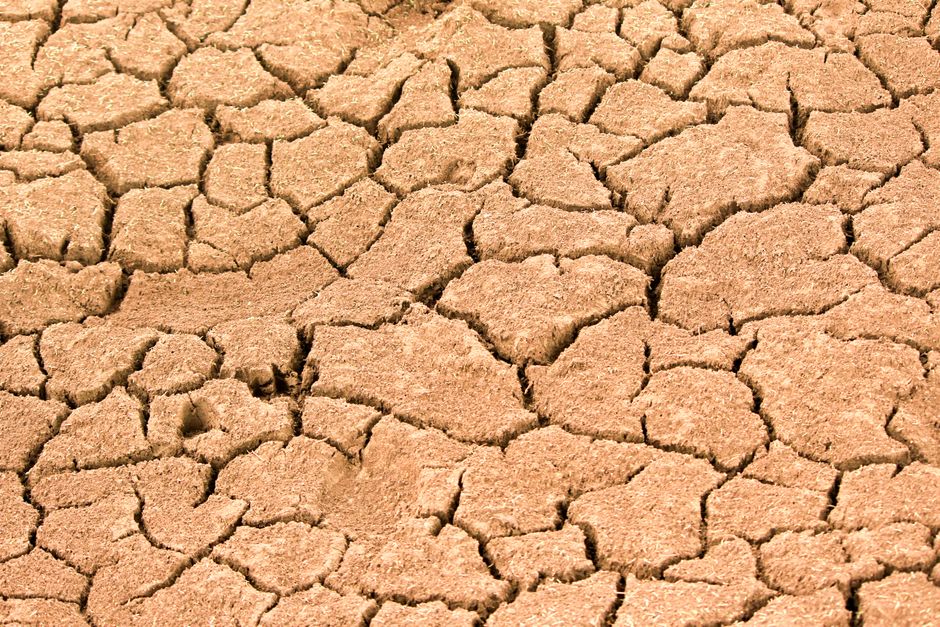
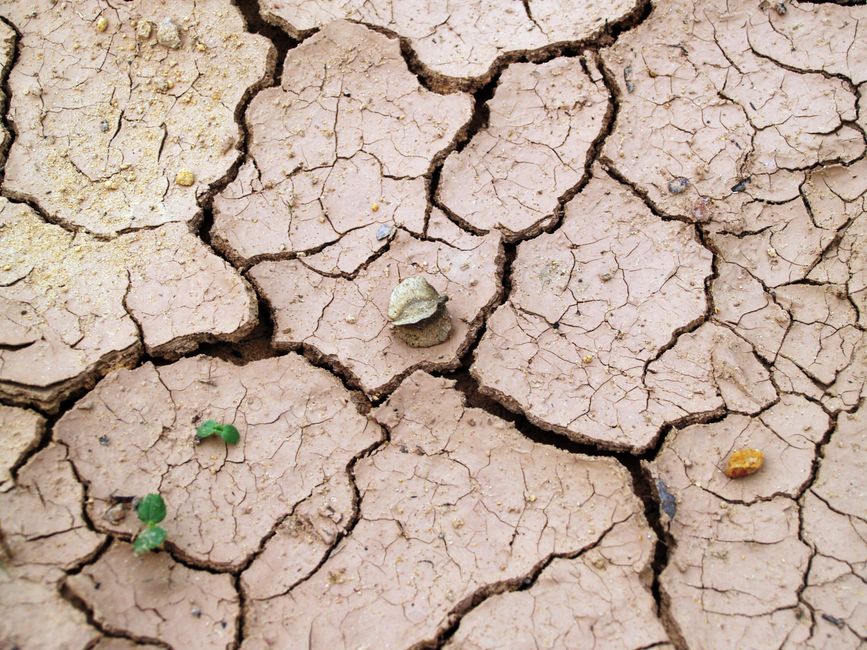
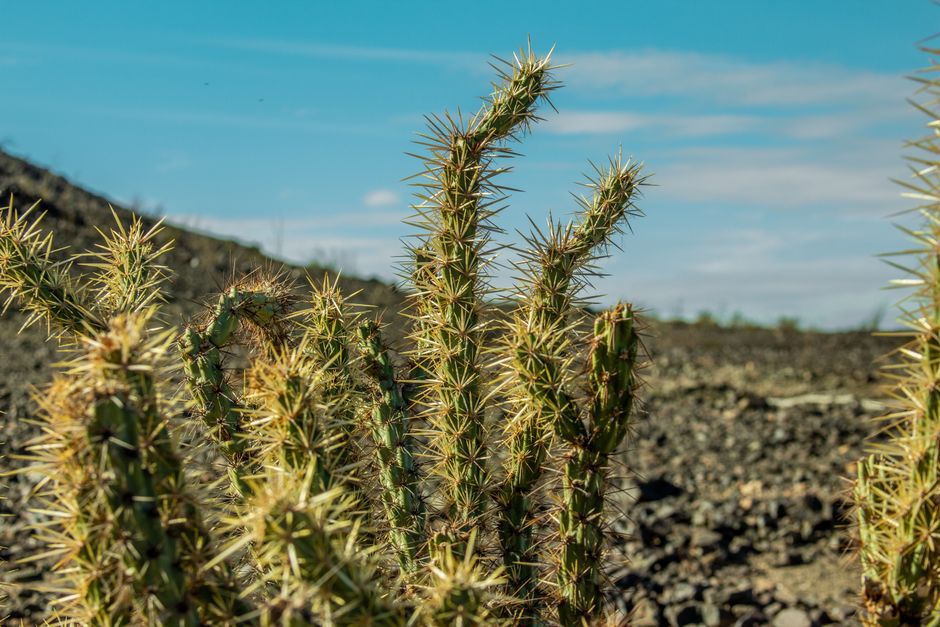
Desertification, the degradation of land in arid, semi-arid, and dry sub-humid areas, presents a complex environmental and socio-economic challenge. It results from a combination of climatic variations and unsustainable human activities, such as overgrazing, deforestation, and improper agricultural practices. While the term often evokes images of advancing sand dunes, desertification is more nuanced, involving the loss of soil fertility, vegetation cover, and water resources, leading to diminished ecosystem services. This article explores a range of restoration and sustainable practices that communities can adopt to address land degradation, focusing on soil conservation, reforestation, and water management. These approaches are not one-size-fits-all; they require careful adaptation to local conditions and active community involvement to be effective.
The importance of tackling desertification extends beyond the affected regions themselves. Degraded lands contribute to global climate change through the release of stored carbon, reduce biodiversity, and threaten food security and livelihoods. Moreover, land degradation often triggers migration and social instability, creating pressures beyond borders. The United Nations Convention to Combat Desertification (UNCCD) highlights that sustainable land management is key to achieving multiple Sustainable Development Goals, including those related to poverty eradication, food security, and climate action. Thus, understanding and implementing effective restoration practices is not just a local concern but a global imperative. This article aims to provide a comprehensive overview of the strategies that can be employed, emphasizing that successful restoration is a long-term, adaptive process rather than a quick fix.
Understanding Land Degradation Processes
To effectively combat desertification, it is crucial to understand the underlying processes that drive land degradation. These processes are complex and often interlinked, varying significantly across different geographical and climatic zones. They typically begin with the removal of vegetation, which exposes the soil to erosion by wind and water. This erosion leads to a loss of fertile topsoil, reducing the land’s capacity to support plant life. Soil compaction, caused by overgrazing or heavy machinery, further exacerbates the problem by reducing water infiltration and root penetration. In addition, salinization, the accumulation of soluble salts in the soil, often results from poor irrigation practices, making the land toxic for many plants. These degradation processes create a vicious cycle: as vegetation declines, the soil becomes even more vulnerable, leading to further degradation.
Climatic factors, such as prolonged droughts and increased temperatures, can intensify these processes, but they are not the sole cause. Human activities play a significant role. Unsustainable agricultural practices, deforestation for fuelwood or land clearance, and over-extraction of groundwater are primary drivers. Understanding these factors is essential because restoration strategies must not only address the symptoms but also the root causes. For instance, simply planting trees without addressing the cause of overgrazing will likely result in failure. Therefore, a comprehensive assessment of the local ecological and socio-economic context is the first step in any restoration initiative. This assessment should include soil analysis, vegetation surveys, and community consultations to identify the specific degradation processes and their drivers.
Sustainable Soil Conservation Techniques
Soil conservation is fundamental to combating desertification. Numerous techniques can be employed to prevent soil erosion, restore soil fertility, and improve water retention. One approach involves the construction of physical barriers, such as stone lines and terraces, which reduce the velocity of surface runoff and trap sediment. These structures are often built using locally available materials, making them cost-effective and culturally acceptable. Another technique is the use of organic matter, including compost and manure, which improves soil structure and nutrient content. This enhances the soil’s ability to hold water and resist erosion. Furthermore, conservation tillage, which minimizes soil disturbance, helps maintain soil organic matter and moisture. This practice includes no-till farming and reduced tillage, where crop residues are left on the field, protecting the soil from wind and water erosion.
Agroforestry, the intentional integration of trees and shrubs into agricultural systems, is another powerful tool. Trees provide shade, reduce wind speed, and their root systems help bind the soil. They also contribute organic matter through leaf litter, enriching the soil. In drylands, selecting appropriate tree species that are native and drought-resistant is crucial. Additionally, the use of cover crops, such as legumes, during fallow periods can protect the soil and fix nitrogen, enhancing fertility. These techniques not only conserve soil but also increase agricultural productivity, providing a dual benefit. However, the implementation of these techniques often requires a shift in traditional land management practices, which can be challenging. Therefore, education and training programs are essential to encourage adoption. When communities understand the long-term benefits and see positive results, they are more likely to integrate these practices into their daily activities.
Water Conservation and Management Strategies
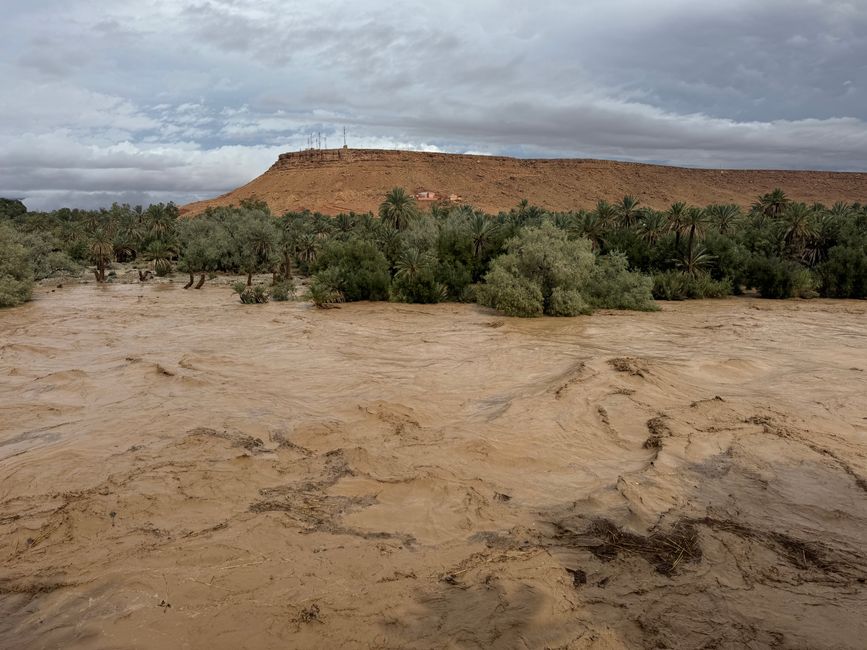
Water scarcity is both a cause and a consequence of desertification. In drylands, effective water management is crucial for restoring degraded lands. Traditional water harvesting techniques, such as the construction of small dams, ponds, and underground cisterns, can capture rainfall and surface runoff, making water available for irrigation and livestock. These methods are often simple, low-cost, and can be implemented at the community level. In addition, improving irrigation efficiency is vital. Drip irrigation systems, which deliver water directly to the plant roots, can significantly reduce water waste compared to flood irrigation. Even simpler methods, such as the use of mulching and planting pits, can optimize the use of scarce water resources. Furthermore, the management of groundwater resources is essential to prevent over-extraction, which can lead to salinization and the loss of vegetation. Sustainable groundwater use requires careful monitoring and regulations, often involving community-based management.
Effective water conservation is not solely about capturing and storing water; it is also about enhancing the soil’s capacity to retain moisture. Practices such as contour farming and the construction of infiltration trenches help slow down water and allow it to penetrate the soil, recharging groundwater aquifers. Reforestation upstream can also improve the hydrological cycle by promoting cloud formation and rainfall.
These strategies illustrate that water management is not a separate endeavor but is closely linked to soil and vegetation restoration. For instance, healthy soils with high organic matter act as sponges, absorbing and storing rainfall, which is then slowly released to plants and aquifers. Therefore, approaches that combine soil conservation with water harvesting and efficient irrigation offer the most sustainable outcomes. Local knowledge is often valuable in designing tailored water management systems. Involving farmers and herders in planning ensures that the systems meet their needs and are maintainable. Additionally, climate change projections indicate that drylands may face more variable rainfall patterns, making robust water management even more critical. Adaptive strategies that can respond to changing conditions are essential for long-term resilience.
Reforestation and Vegetation Restoration
Vegetation restoration is a cornerstone of desertification combat, as plants help stabilize the soil, improve fertility, and provide habitat for biodiversity. Reforestation aims to restore tree cover in areas where it has been lost, while afforestation involves planting trees in areas that have not had recent tree cover. However, in very degraded lands, a more gradual approach, such as assisted natural regeneration, may be more effective. This technique involves protecting and nurturing natural regrowth of native species by preventing grazing, fires, and other disturbances. It is often lower cost and more robust than planting new trees, as the regenerating plants are already adapted to local conditions.
When planting trees is necessary, careful species selection is crucial. Native species that are well-adapted to arid conditions and that have multiple uses, such as providing food, fodder, and medicine, are preferred. Mixed-species plantations are generally more resilient and beneficial than monocultures. Furthermore, the practice of farmer-managed natural regeneration, in which farmers selectively trim and manage naturally occurring tree stumps and shrubs on their land, has become widespread in the Sahel region, demonstrating significant success. Vegetation restoration also includes the reintroduction of grasses and shrubs, which provide ground cover and help prevent erosion. In addition to trees, these plants can quickly stabilize the soil. Overall, vegetation restoration is not just about planting; it is about recreating functional ecosystems that can sustain themselves and provide essential services.
The success of reforestation efforts largely depends on community involvement and long-term maintenance. Trees need to be protected from grazing and fire, and they often require watering during the establishment phase. Therefore, restoration projects should include community agreements on land use and management. Moreover, the economic benefits from restored vegetation, such as sustainable timber, non-timber forest products, and improved agricultural yields, can provide incentives for local communities to maintain the restored areas. Payment for ecosystem services schemes could also be explored. Ultimately, restoring vegetation is a long-term investment that, when done appropriately, can reverse land degradation and improve the livelihoods of dryland communities.
Community-Based Approaches and Adaptive Management
Sustainable restoration efforts are unlikely to succeed without the active participation of local communities. These communities have a deep knowledge of the land and its resources, and they are the primary stakeholders in its management. Community-based approaches involve stakeholders in all stages, from planning to implementation and monitoring. This participatory process ensures that the restoration activities are aligned with local needs and priorities, increasing the likelihood of adoption and long-term commitment. For example, communal land management agreements can regulate grazing and resource use, preventing overexploitation. Furthermore, building capacity through training in sustainable land management techniques is essential to empower communities to take ownership of restoration efforts.
Adaptive management is a framework that recognizes the uncertainties and complexities of ecosystem restoration. It involves a cyclical process of planning, acting, monitoring, and learning. Restoration projects often need to be adjusted based on the results and changing conditions. For instance, if a particular tree species fails to thrive, alternative species or planting methods may be tested. This iterative learning process allows for continuous improvement and enhances the resilience of the restoration project. It is also crucial to collaborate with scientists and researchers to bring the best available knowledge to the projects. Partnerships between communities, NGOs, government agencies, and researchers can pool resources and expertise. By combining local and scientific knowledge, restoration projects can be more effective and sustainable. Ultimately, the fight against desertification is a long-term endeavor that requires a holistic, multi-stakeholder approach.